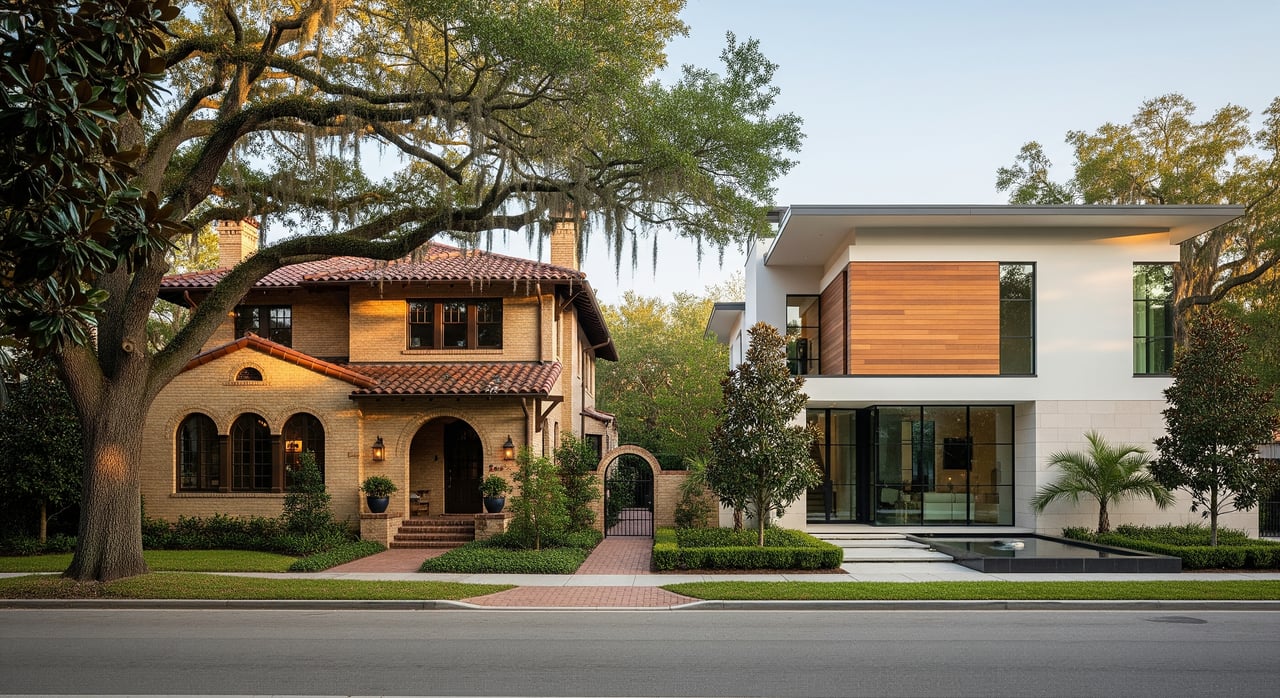
Torn between historic charm and modern convenience in Winter Park? You are not alone. With tree-lined streets, lakes, and a walkable downtown near Park Avenue, the city offers both beautifully preserved homes and striking new builds. This guide helps you compare maintenance, customization, systems, resiliency, permitting, and resale so you can choose with confidence. Let’s dive in.
Winter Park luxury at a glance
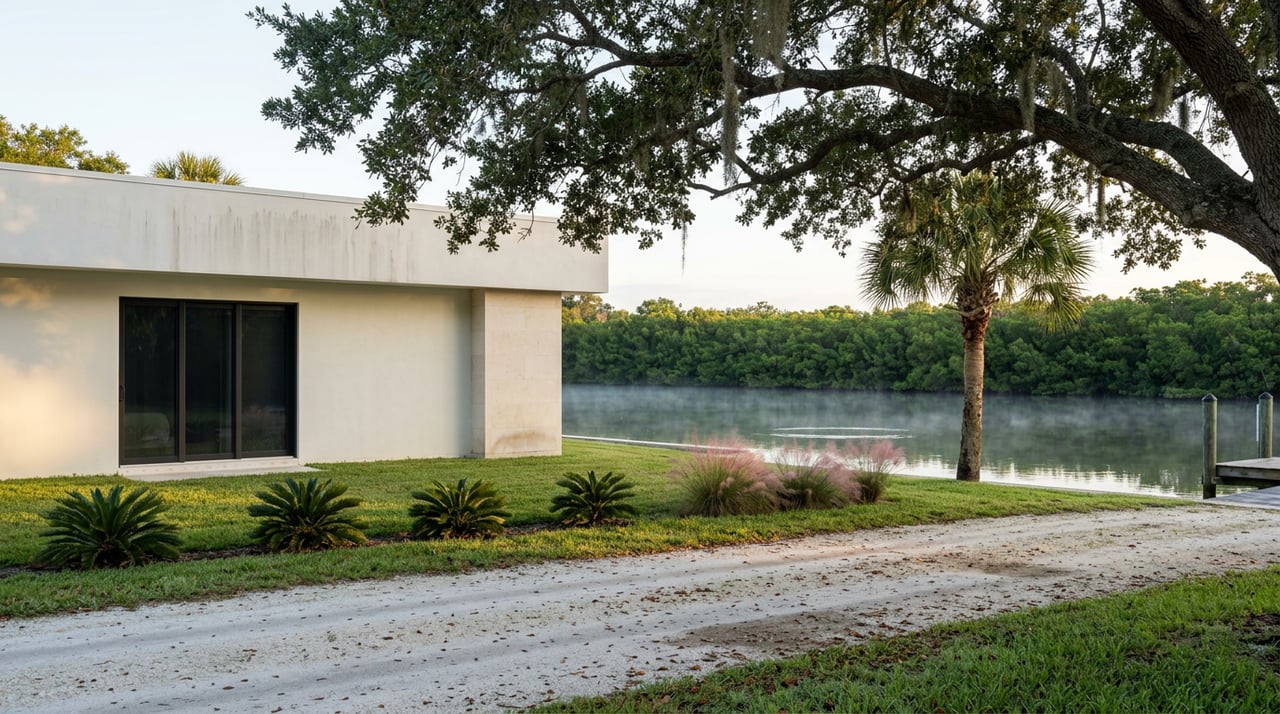
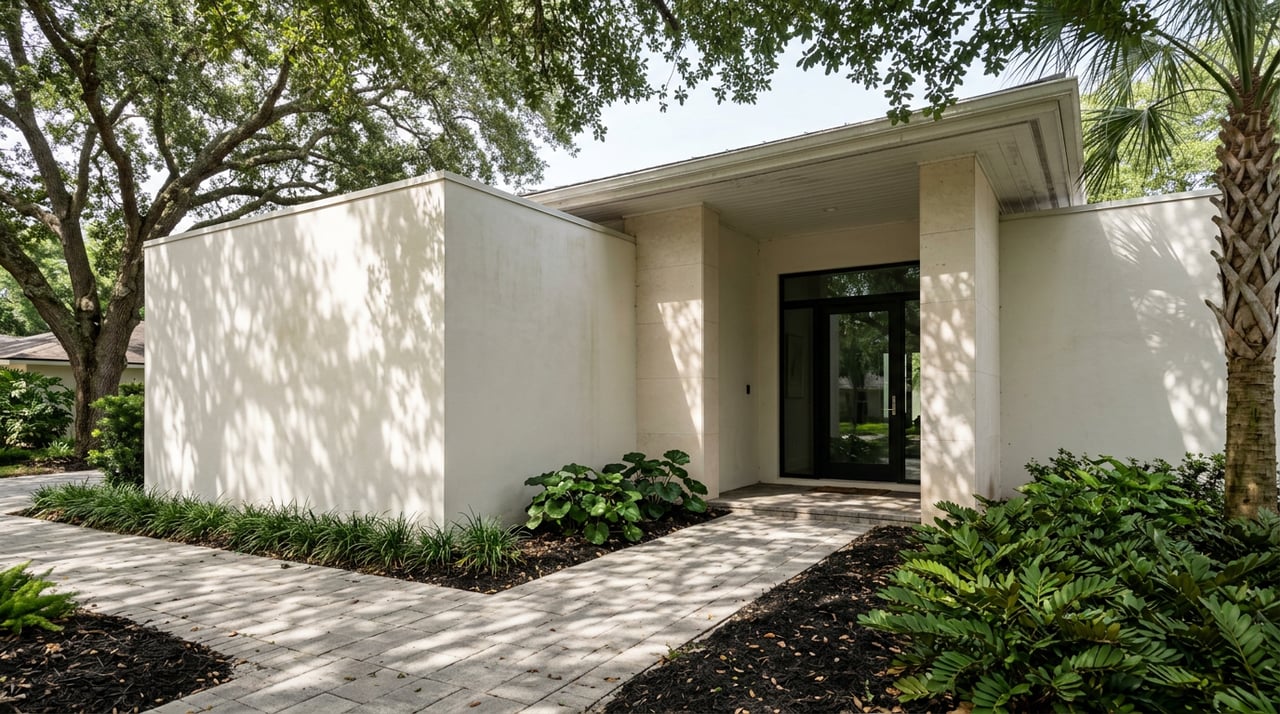
Winter Park blends early to mid 20th century architecture with high-end infill construction. You will find Mediterranean Revival, Craftsman, and Colonial Revival homes on established lots with mature trees, as well as contemporary builds with open plans and indoor to outdoor living. Luxury buyers often prioritize proximity to Park Avenue, lake access, outdoor spaces, and turnkey condition. Some value original details and character while others favor modern systems, smart tech, and low-maintenance living.
Maintenance and ongoing costs
Historic homes typically require more near-term attention. Roofing, plumbing and electrical updates, termite treatment, exterior paint, and restoration of period features can add up over time. If you are evaluating an older property, ask for detailed maintenance and service records and budget for deferred capital items.
New construction usually brings lower maintenance at the start. You benefit from new roofs, newer HVAC, and system warranties. Still, plan for early landscaping establishment and to monitor site drainage after construction. In the luxury tier, both historic and new homes can have bespoke materials that carry unique upkeep needs, so review warranties and service plans carefully.
A practical rule of thumb for annual maintenance reserves ranges from about 1 to 4 percent of the home’s value. Older and larger properties tend toward the higher end. Your actual costs will depend on condition, size, and materials.
Customization and floor plan flexibility
Historic properties shine for authentic details. Original moldings, staircases, hardwoods, and masonry are difficult to replicate and deliver sense of place. Structural layouts and load-bearing walls can limit major reconfigurations, and if a property sits in a local historic district, exterior changes may face review that affects scope and timing.
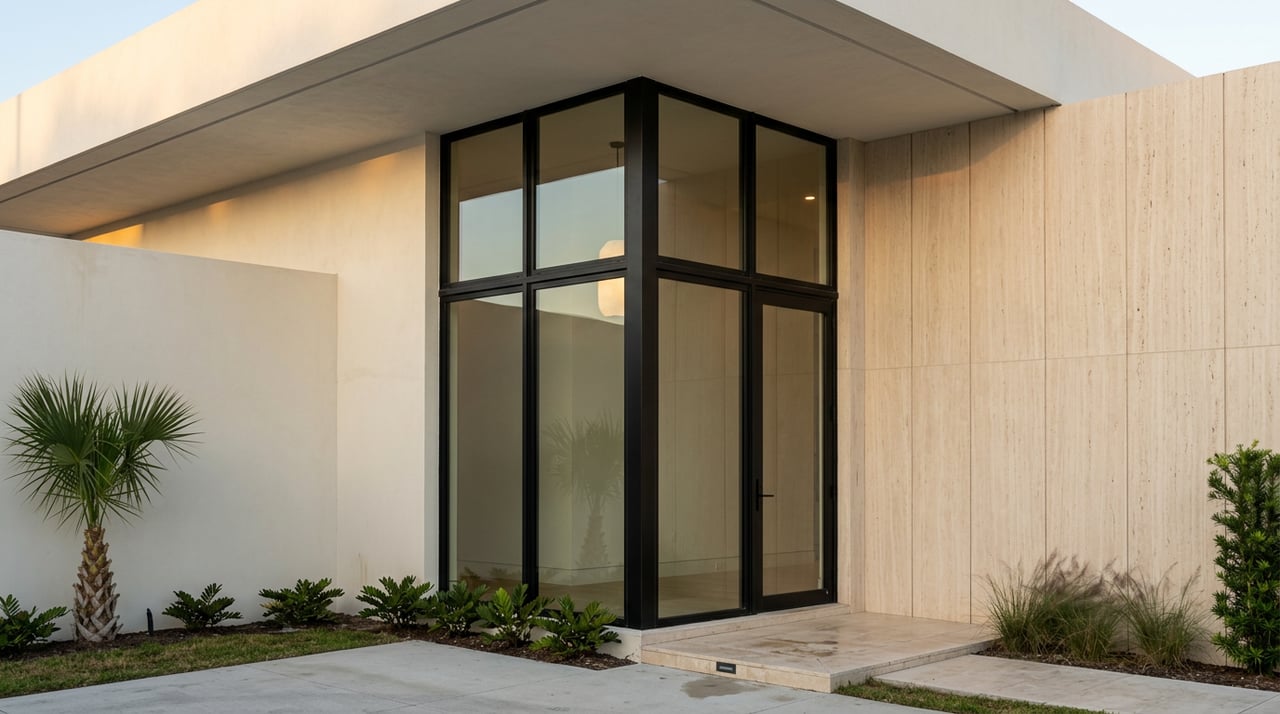
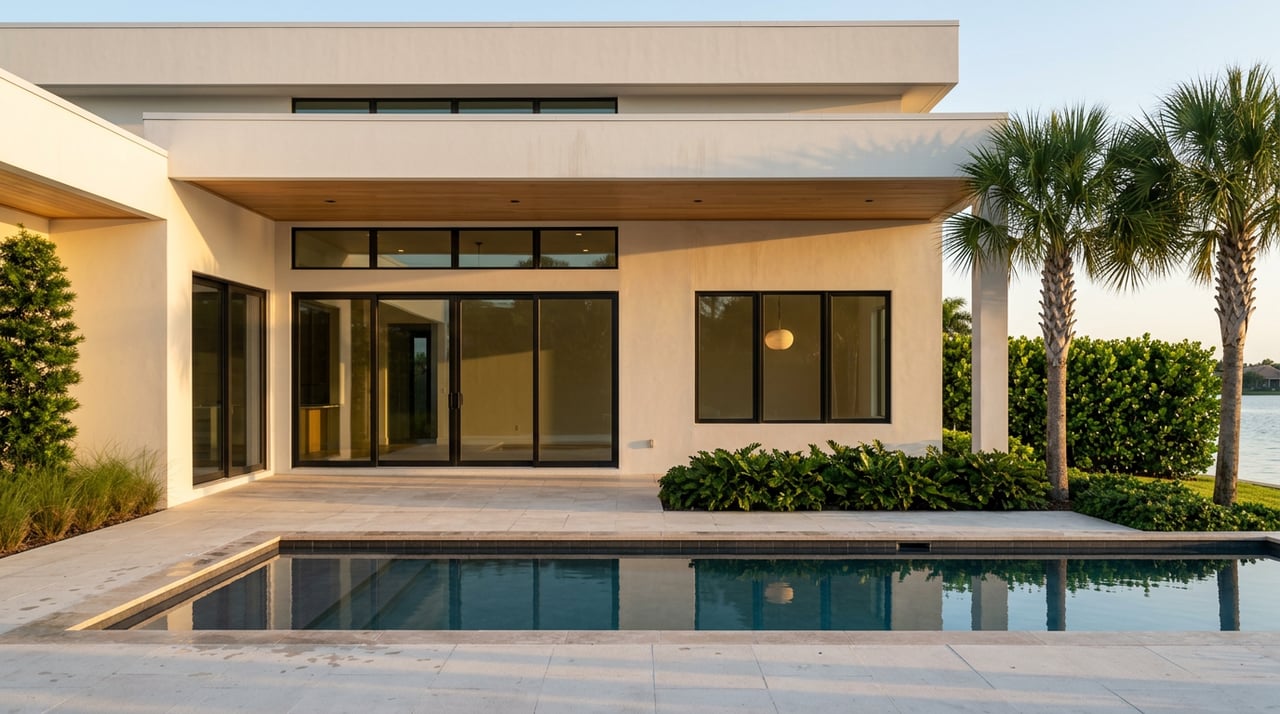
New construction is designed for modern living. Expect open plans, tall ceilings, wide halls, and integrated indoor to outdoor spaces. You can plan for home gyms, EV charging, and robust AV wiring from the start. Builder specifications vary, so reaching a top-tier finish level may require upgrades. Lot size, setbacks, and HOA rules can still shape what is possible.
Mechanical, energy, and smart systems
New builds are typically constructed to the Florida Building Code in effect at the time of construction. That usually means improved building envelope performance, wind standards, and right-sized HVAC. Newer insulation, better air sealing, and pre-wiring for smart systems and EV charging are common. Many new homes are solar ready or can integrate rooftop solar more easily.
Historic homes can be upgraded for efficiency, but it takes planning. Older HVAC, plumbing, and electrical systems may be less efficient. Retrofitting insulation, replacing ductwork, or updating windows is possible, though window changes can be constrained in designated historic districts. Florida’s climate makes HVAC performance a major operating cost, so pay close attention to cooling capacity, duct quality, and insulation.
Resiliency and insurance considerations
New homes generally meet more stringent wind-resistance standards. Features like improved roof-to-wall connections and impact-resistant options can reduce vulnerability during storms and may help with insurance pricing. Older homes may need retrofits to reach similar resiliency.
Flood risk varies by micro-location. Parts of Winter Park sit near lakes and low-lying areas, so it is wise to review FEMA flood maps and local topography. Even outside special flood hazard areas, localized drainage can matter for your yard and driveway. Insurance costs in Florida depend on age of home, roof condition, mitigation features, and local risk factors. Obtain insurer pre-quotes early and ask about credits for documented upgrades like hurricane straps or impact-rated windows.
Regulations and permitting in Winter Park
If a property is designated historic or sits in a local historic district, exterior alterations may require review by the city’s preservation board. The process adds predictability to neighborhood character but can affect timelines and material choices. For both new builds and major renovations, expect city permitting, and in some locations, additional neighborhood or HOA review.
Large projects can take months to more than a year when you factor design, permits, and construction sequencing. Winter Park also has tree preservation and landscape requirements that may influence site plans. A presubmission meeting with planning staff is a smart first step to confirm what is allowed on a lot, including setbacks and coverage.
Cost, ROI, and resale dynamics
Both turn-key new builds and well-maintained historic homes in prime locations can command premiums. The value drivers are location near Park Avenue and lakes, architectural quality, and condition. Cosmetic updates often help buyer appeal, while major structural reconfigurations or full system replacements have variable ROI in the luxury tier.
Resale demand in Winter Park includes two audiences. One group seeks historic charm and mature landscaping. The other prioritizes modern amenities and minimal immediate work. Appraisals rely on nearby comparable sales. For unique historic properties without close comps, appraisal can be more nuanced, so prepare with a robust market analysis.
Which path fits your lifestyle
Choose historic if you want irreplaceable character, mature trees, and a distinctive sense of history. Plan for more hands-on maintenance and thoughtful upgrades to preserve original features. This path suits buyers who appreciate craftsmanship and are comfortable managing specialty care.
Choose new construction if you value modern layouts, energy performance, and immediate usability. Expect fewer near-term repairs, streamlined maintenance, and built-in smart features. This route is ideal if your schedule demands turnkey living and predictable timelines.
Smart due diligence checklist
- Location and lot: Verify proximity to Park Avenue and lakes, lot size, drainage patterns, and privacy.
- Scope: Decide what you will preserve or change. Test feasibility and costs, especially in historic districts.
- Condition and systems: Order structural, roof, HVAC, electrical, plumbing, and termite inspections. Request maintenance records for older homes.
- Resiliency and insurance: Get insurance pre-quotes and ask about mitigation credits. Confirm FEMA flood zone and local drainage.
- Regulatory path: Confirm historic status, setbacks, tree rules, and likely review timelines. Schedule planning staff conversations early.
- Budgeting: Include a contingency of roughly 10 to 25 percent for renovations, plus a 1 to 4 percent annual maintenance reserve. For new builds, review builder warranty scope and post-closing service.
- Market signals: Compare nearby sales of renovated historic homes and recent new builds to calibrate price and exit strategy.
- Lifestyle: Weigh yard and pool care, housekeeping needs, and the level of hands-on involvement you prefer.
A trusted partner for your move
Your choice between historic and new should align with your routine, privacy needs, and appetite for projects. Whether you need immediate, furnished options near training facilities or a long-view plan to create a legacy home by the lakes, the right advisor will streamline every step. With discrete coordination, access to private opportunities, and senior-level guidance, you can focus on your career while your home strategy is handled.
Ready to explore the best of Winter Park with a private, high-touch team? Connect with Elite Sport Network to book a private consultation.
FAQs
What drives insurance costs for historic homes in Winter Park?
- Age of roof and systems, mitigation features, and local risk profile influence premiums, so obtain insurer pre-quotes and ask about credits for documented upgrades.
Are new builds always more energy efficient than older homes?
- New construction usually starts with better code-level envelopes and HVAC, but real efficiency depends on installation quality, insulation, sizing, and how you use the home.
Can I open up a floor plan in a designated historic home?
- Often yes, but structural constraints and local historic review can limit visible changes, so work with an architect experienced in sensitive renovations.
How long do permits and reviews take in Winter Park?
- Timeframes vary by scope; larger projects and those requiring historic or neighborhood review can add weeks to months, so schedule early meetings with planning staff.
How much should I budget for yearly maintenance?
- A general rule is about 1 to 4 percent of the home’s value annually, with older and larger homes trending toward the higher end.