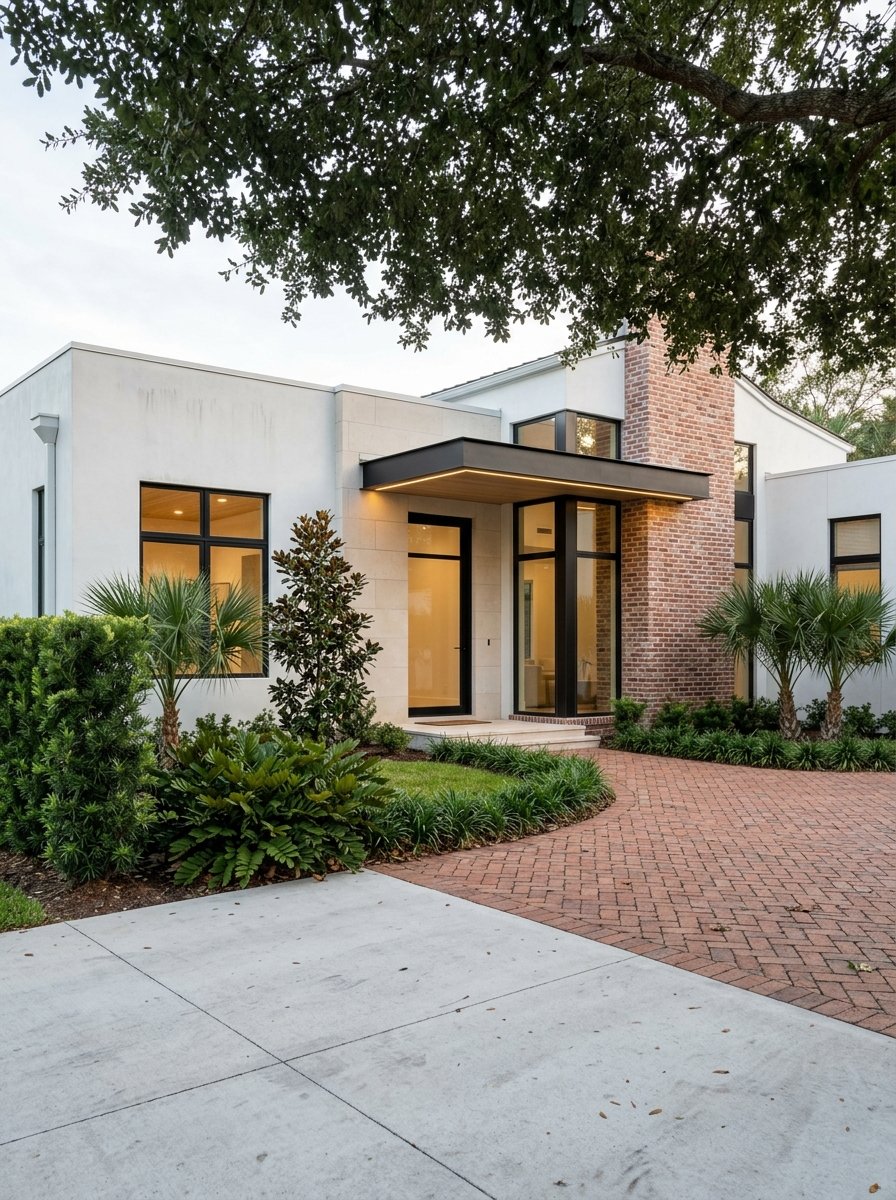
If you are drawn to Winter Park luxury homes, you have probably noticed something right away: this market has a look and feel that is hard to mistake. From brick streets and mature tree canopy to gracious estates near the lakes, the city blends history, design, and setting in a way that feels both refined and deeply local. If you are buying, building, or renovating here, understanding those design themes can help you make smarter choices with confidence. Let’s dive in.
What Shapes Winter Park Design
Winter Park describes itself as an old Florida community known for historic architecture, elegant homes, vibrant downtown areas, brick streets, and a strong tree canopy. The city also emphasizes maintaining its built environment and heritage through thoughtful design review and development guidance. At the same time, Winter Park’s historic preservation framework does not limit homes to one single architectural style.
That balance is a big part of what makes the luxury market here so appealing. You are not looking at a one-style community. Instead, you see a flexible range of architectural expression shaped by history, lot size, streetscape, and the natural setting.
Historic Styles Still Define Luxury
Much of Winter Park’s visual identity comes from the architectural styles established between 1904 and 1930. According to the city’s Architectural Historic Resources Survey, the most prevalent styles from that period included Bungalow, Colonial Revival, Spanish Colonial, Mediterranean Revival, and Mission Revival.
In the luxury segment, a few of those styles tend to lead the conversation. Mediterranean Revival, Spanish Colonial, Colonial Revival, and Tudor Revival are especially important when you are evaluating architecturally notable homes, legacy properties, or renovation opportunities.
Mediterranean And Spanish Colonial Cues
Some of Winter Park’s most recognizable luxury homes are high-style Spanish Colonial and Mediterranean Revival villas from the 1920s and 1930s. The city survey highlights larger lakefront examples on streets such as Via Tuscany and Palmer Avenue, including homes facing Lake Maitland and Lake Osceola.
These homes often stand out for features that feel timeless in Central Florida. You may see stucco walls, arched openings, courtyards, balconies, and roof forms that create a strong resort-like presence while still feeling rooted in local history.
Colonial Revival Presence
Colonial Revival is another major part of the Winter Park design story. The city survey identifies intact groupings in areas such as Golfview and north Interlachen Avenue, where homes commonly feature symmetrical facades, central entrances, and prominent porticos.
If you prefer a more formal and balanced look, this style often delivers that appeal. It tends to read as stately and orderly, with a strong relationship between the front elevation, entry sequence, and overall proportions.
Tudor Revival Character
Tudor Revival also appears throughout Winter Park’s historic luxury areas. The city’s historical architectural survey notes that the style appeared in the 1920s and became more popular in the 1930s.
These homes are described as substantial, with characteristic details such as intersecting gable roofs, brick construction, stucco, and simulated half-timbering. In practice, Tudor Revival offers a very different mood from Mediterranean or Colonial homes, but it contributes to the same sense of architectural depth that defines Winter Park.
Why Winter Park Luxury Is Not One-Note
One of the most important things to understand is that Winter Park luxury housing is not stylistically uniform. The city contains multiple strong architectural languages, and those styles appear across different neighborhoods, lot types, and eras of construction.
That variety matters if you are entering the market with a clear design preference. Instead of asking whether Winter Park has one “signature” luxury style, it is more useful to ask how each property fits its street, lot, and architectural context.
Lot Size And Setbacks Matter
In Winter Park, design is not just about what a home looks like from the front. Scale, massing, setbacks, and the relationship between the house and the lot are also central to how a property feels.
The city’s historic survey notes that many older homes were built well below the maximum intensities allowed by code. It also points out that later remodeling can alter neighborhood harmony when lot coverage, height, and setbacks expand too aggressively.
For you as a buyer or owner, that means proportion matters. A home’s design quality often depends not only on finishes and style, but also on whether the structure sits naturally on the site and respects the surrounding streetscape.
Lakefront Design Has Its Own Rules
Lakefront homes are a major part of Winter Park’s luxury appeal, but the shoreline setting adds another layer to the design conversation. Here, the lot itself becomes part of the architecture.
According to the city’s lakefront site plan review guidelines, the Planning and Zoning Commission reviews lakefront construction to reduce stormwater pollution, avoid unduly impairing lake views from neighboring properties, and keep the lakefront appearance as natural as reasonably possible.
That review process focuses on more than the house. It can involve grading, retention, and how the structure reads from the water. Separate shoreline rules also affect vegetation, docks, and boathouses, which means the overall presentation of a lakefront estate extends well beyond the main residence.
What This Means For Buyers
If you are considering a lakefront purchase, it helps to look at the full property story, including:
- How the home is positioned on the lot
- How outdoor spaces interact with the shoreline
- Whether the design preserves views and natural appearance
- How docks, boathouses, and vegetation contribute to the setting
For many buyers, that is where Winter Park becomes especially compelling. The best properties pair architecture with landscape and water in a way that feels composed rather than overbuilt.
Renovation In Historic Areas
If you are planning to update a historic or designated property, compatibility is a key theme. Winter Park requires a Certificate of Review for exterior alterations and new construction involving designated landmarks, properties, and districts.
The Historic Preservation Board does not review interior alterations, but it does evaluate how exterior changes affect the property and its relationship to nearby buildings and landscape elements. That review includes style, design, arrangement, texture, and materials, and generally follows the Secretary of the Interior’s Standards for Rehabilitation.
For you, that usually means thoughtful updates tend to perform better than dramatic departures. The goal is not necessarily exact imitation, but a compatible relationship to massing, roofline, openings, materials, and site context.
How Contemporary Homes Fit In
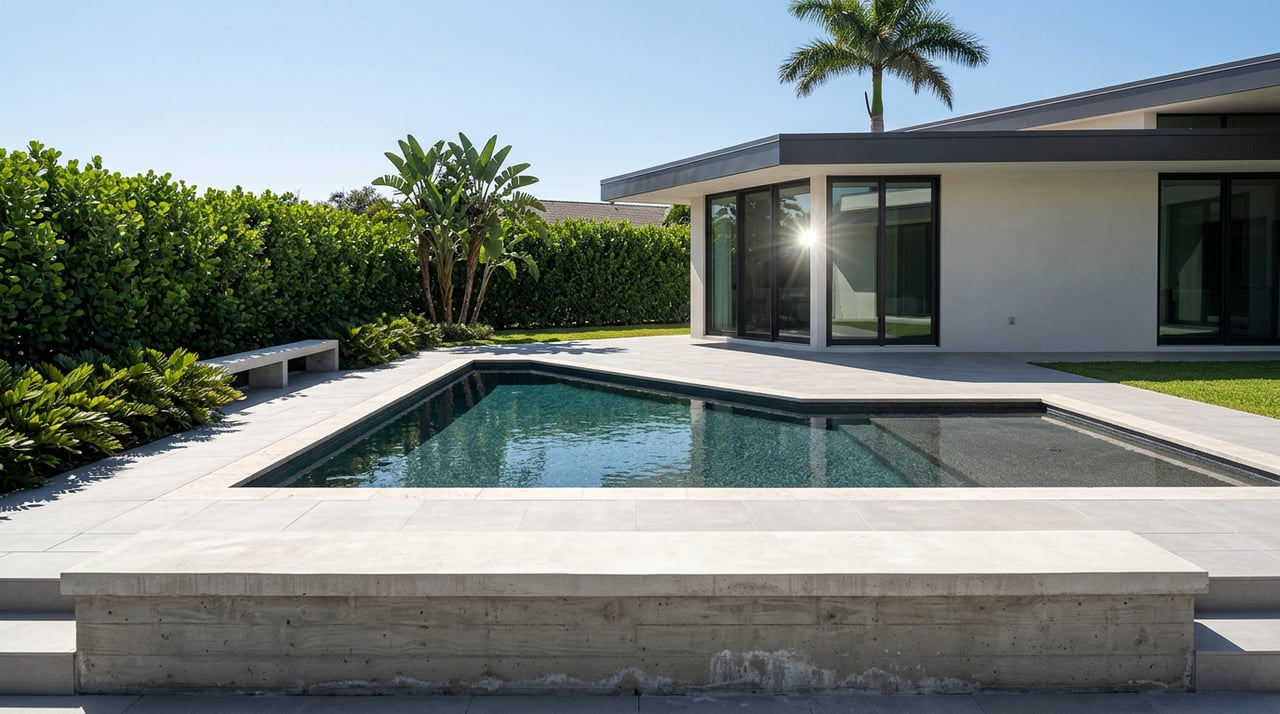
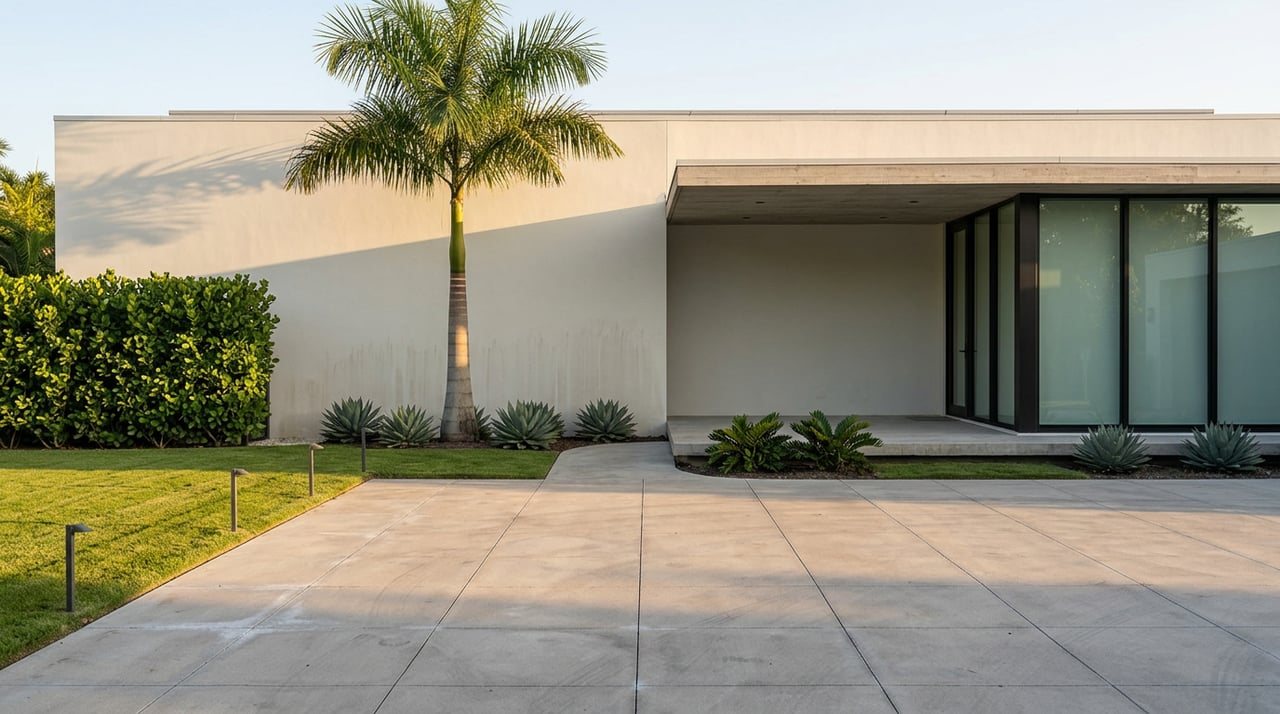
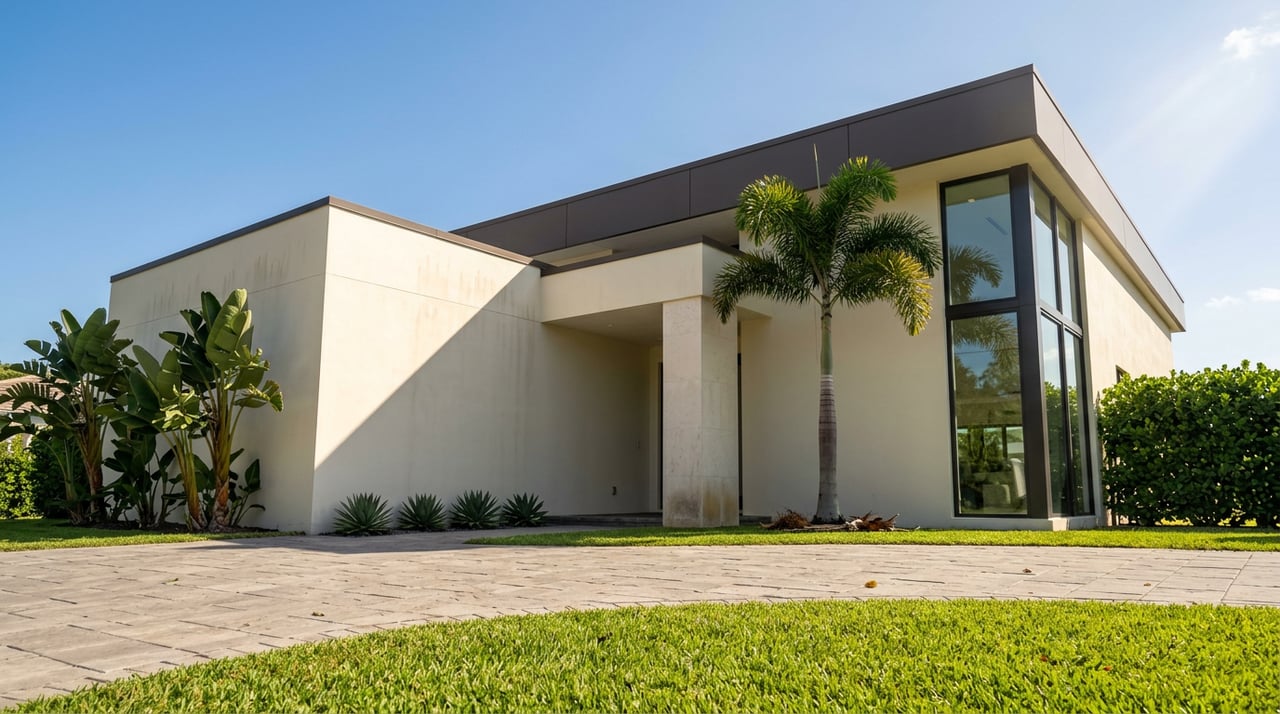
Winter Park is known for historic character, but that does not mean contemporary homes are out of place. The city’s design standards identify six broad architectural categories and allow flexibility when an applicant provides an architectural narrative and design intent board.
One listed style, Contemporary Mediterranean, offers a useful example of how new construction can feel current while still connecting to local vocabulary. The standards describe features such as low-pitched or hipped roofs, terra-cotta or red barrel tile, stucco or stone walls, arches, loggias, balconies, and courtyards.
That matters if you are exploring a new build or major redesign. In Winter Park, successful contemporary luxury homes often work best when they translate local architectural cues into a cleaner, more current form rather than ignoring the context altogether.
Design Themes To Watch
If you are touring Winter Park luxury homes, these are some of the most common themes worth paying attention to:
- Mediterranean influence through stucco finishes, arches, balconies, and courtyard-driven layouts
- Spanish Colonial character with expressive forms and strong indoor-outdoor connections
- Colonial symmetry through formal entries, balanced facades, and porticos
- Tudor texture with gables, brick, stucco, and layered rooflines
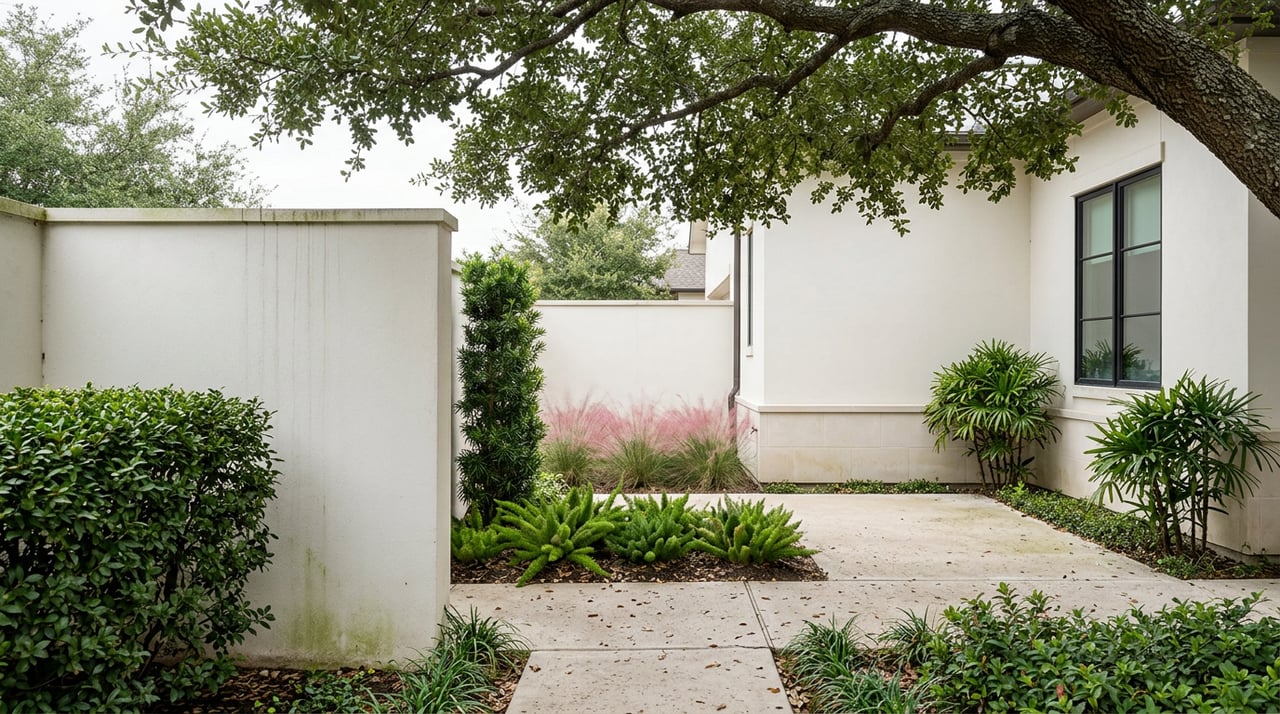
- Site-sensitive scale that respects setbacks, tree canopy, and neighborhood rhythm
- Lakefront composition that considers views, shoreline appearance, and the experience from the water
- Context-aware updates that preserve architectural integrity while improving livability
Why Architectural Guidance Matters
In a market like Winter Park, luxury value is often tied to more than square footage or finishes. Architectural significance, streetscape compatibility, and site planning can all influence how a property is perceived over time.
That is especially true if you have a complex search, a time-sensitive relocation, or a need for discretion. When you are balancing aesthetics, privacy, timing, and long-term value, it helps to have an advisor who understands how design, setting, and local review standards intersect.
Whether you are searching for a lakefront villa, a historically significant estate, or a refined newer residence, Elite Sport Network offers discreet, high-touch guidance tailored to luxury buyers and sellers with complex needs. If you want help identifying architecturally significant opportunities in Winter Park or navigating a private purchase with confidence, book a private consultation.
FAQs
What architectural styles define Winter Park luxury homes?
- Winter Park luxury homes often reflect Mediterranean Revival, Spanish Colonial, Colonial Revival, and Tudor Revival influences, according to the city’s architectural surveys.
What makes Winter Park luxury homes look different from other Florida homes?
- Winter Park stands out for its historic architecture, brick streets, mature tree canopy, lakefront settings, and a design approach that supports multiple architectural styles instead of one uniform look.
What should buyers know about lakefront home design in Winter Park?
- Lakefront construction is reviewed for stormwater impacts, neighboring view corridors, and natural shoreline appearance, so the lot, landscaping, and waterfront features are important parts of the design.
What should owners know about renovating historic homes in Winter Park?
- Exterior changes to designated landmarks, properties, and districts may require a Certificate of Review, and proposals are evaluated for compatibility with the home, nearby buildings, and landscape elements.
Can contemporary luxury homes fit into Winter Park?
- Yes. Winter Park’s design standards allow flexibility, and contemporary homes can fit well when they respond to local architectural vocabulary and site context.
Why do setbacks and massing matter in Winter Park luxury real estate?
- They affect how a home relates to its lot and surrounding streetscape, which is a major part of preserving the scale and harmony that buyers often value in Winter Park.