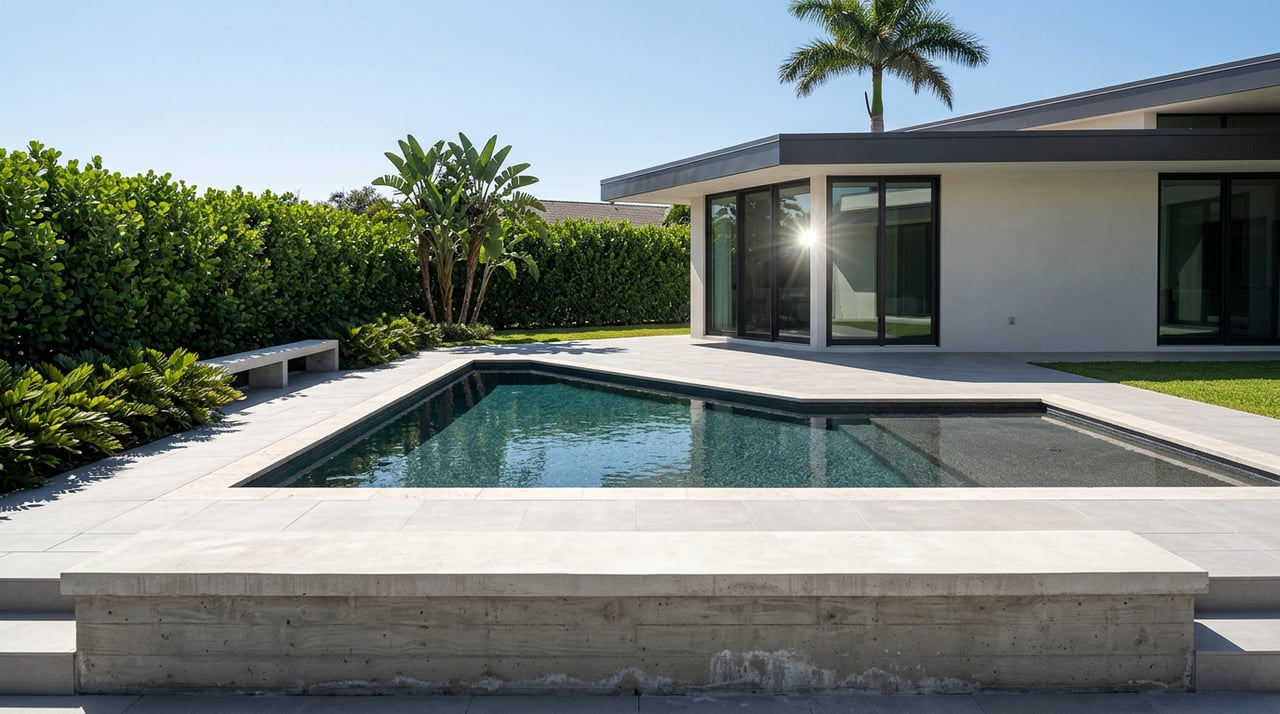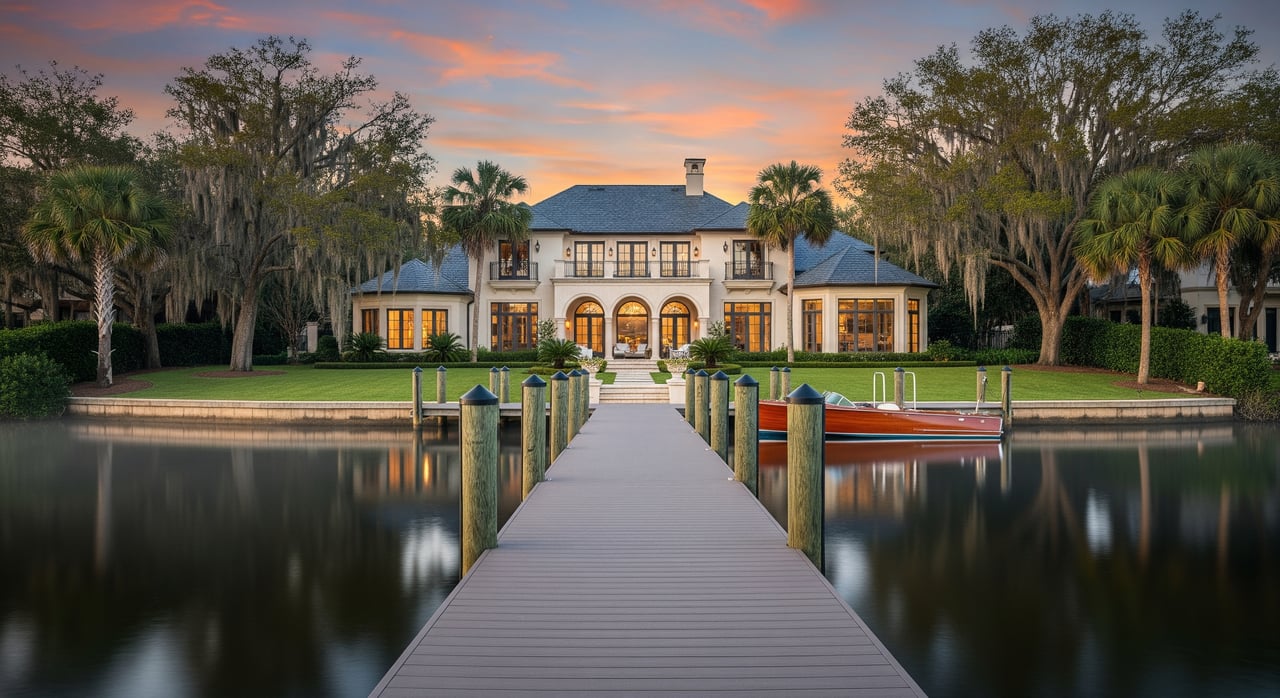
If you picture stepping from your patio onto a private dock and cruising to dinner, Winter Park’s Chain of Lakes delivers that vision. You want the water, the views, and an easy connection to downtown without sacrificing privacy or time. This guide gives you a clear picture of the lakes, the lifestyle, and the due diligence that protects your investment.
You will learn which micro‑markets to consider, what to look for in a lakefront lot, how docks and lifts are permitted, and how to plan inspections from out of state. Let’s dive in.
Why Winter Park’s Chain of Lakes
Winter Park sits on an interconnected system of freshwater lakes, including Lake Osceola, Lake Maitland, and Lake Virginia. Canals link several lakes, creating a signature boating culture and a range of open‑lake and canal‑front properties. You get a blend of resort‑style living with immediate access to downtown dining, arts, and shops.
Lakefront homes in Winter Park are among the area’s premium properties. Buyers often pay a significant premium for waterfront lots with usable dockage, panoramic views, and proximity to Park Avenue. Lot orientation and water depth directly influence long‑term enjoyment and value.
Micro‑markets and lot types
- Park Avenue/Downtown: Estate lots and select historic homes with walkable access to restaurants and galleries.
- North/Upper Chain: Larger lots and a mix of renovated and new custom builds, often with deeper sites.
- Canal‑front enclaves: Long, narrow lots with private docks. Canal width and depth shape the size of boat you can keep.
- Transitional pockets: Infill and narrower parcels where buyers often remodel or build new, guided by local design and shoreline rules.
City zoning, designated historic districts, and shoreline setbacks all shape what you can expand or rebuild. Before you plan a major project, check parcel‑specific rules with the City of Winter Park’s planning and building teams.
Boating lifestyle and navigation
You can boat year‑round in Central Florida. Peak social activity often runs in winter and spring, when the weather is mild and the lakes are active. Daily life can include paddleboarding at sunrise, cruising to lunch, and hosting friends for sunset on the water.
Pontoons and smaller cruisers are popular because they balance capacity and draft for inland lakes. Center consoles appear among anglers. Larger deep‑V offshore boats are often impractical on certain canals or tighter turning areas, and some canals limit clearance or depth. Private dock access becomes the ultimate convenience and a key value driver.
Canal realities to consider
- Canals can be narrow and shallow with limited turning room.
- Bridge and vegetation clearance may restrict canopy heights or taller vessels.
- Posted speed or wake zones help protect shorelines and dock structures.
The takeaway is simple: align the boat to the water, not the other way around. Verify depths, canal widths, and posted rules before you buy.
What to look for in a lakefront lot
Open‑lake lots typically offer wider frontage and deeper water near shore, which improves views and maneuvering. Canal‑front lots often run long and narrow. They can feel more private while still delivering dockage, but usable boat size depends on canal width and depth.
Shoreline structures are central to both safety and cost. A well‑built seawall controls erosion, and its material and condition influence future expenses. Existing docks and lifts vary widely in type and age, and some older structures may be considered “grandfathered.” If rebuilt, they may need to meet current codes.
Shoreline structures and condition
- Seawalls/bulkheads: Look for cracking, leaning, or settlement. Material type affects replacement cost and timeline.
- Docks and lifts: Note if the dock is floating or fixed on pilings; inspect decking, pilings, and any roof or canopy. Check lift capacity and motors.
- Electrical: Confirm shore power at the dock, outlet condition, and permitted installation.
Utilities and access
Most Winter Park lakefront homes are on municipal water and sewer, but verify at the parcel level. Consider driveway turning radii for service vehicles, guest parking, and space for marine equipment delivery.
Flood risk and insurance
Many lakefront parcels fall into FEMA flood zones such as AE or X, depending on elevation. Ask for the Flood Insurance Rate Map and an elevation certificate to estimate likely premiums. Seawall elevation and lot fill can impact both insurability and design options.
Docks, lifts, and permitting basics
Shoreline work involves layered oversight. Your starting point is the City of Winter Park for local building permits and shoreline regulations. Depending on your exact location and scope, state, regional, and federal agencies may also have jurisdiction.
Who regulates shoreline work
- City of Winter Park: Building permits and local shoreline standards for docks, lifts, and seawalls.
- Florida Department of Environmental Protection (FDEP): Authorizes use over sovereign submerged lands and may require leases or approvals.
- St. Johns River Water Management District (SJRWMD): Reviews certain water resource impacts, including some dredging and aquatic plant work.
- U.S. Army Corps of Engineers (USACE), Jacksonville District: Federal permits under Sections 10 and 404 for work that may affect navigable waters or wetlands.
- Florida Fish & Wildlife Conservation Commission (FWC): Boating safety rules and guidance on invasive species.
Requirements vary by lake, parcel, structure type, and proximity to sensitive areas. Always confirm what applies to your specific property before relying on assumptions.
Dock and lift types and limits
- Floating docks: Adaptable to water level changes and often cost‑effective. They require proper mooring and periodic maintenance.
- Fixed pile docks: Durable and preferred for larger vessels, with more extensive permitting and installation.
- Boat lifts: Open lifts, canopy or covered lifts, and personal watercraft lifts exist. Covered structures and boathouses face higher scrutiny and may be restricted in some areas.
- Seawalls: Replacements or height changes can be significant engineering projects and may involve coordination with neighbors.
Environmental stewardship and safety
Aquatic vegetation management often requires permits or coordination with state or regional authorities. Avoid unauthorized dredging or vegetation removal. Follow FWC safety standards, including life jackets by age, navigation rules, and posted wake zones. These measures protect both the ecosystem and your equipment.
Storm readiness and insurance
Hurricane season runs June through November. Owners often remove or secure small vessels and may lift or relocate boats when a major storm approaches. Insurance strategies can include flood coverage, wind coverage, and endorsements for docks, lifts, and seawalls. Confirm details with your insurance broker before closing.
Due diligence roadmap for out‑of‑state buyers
You want clarity before you tour, speed when you decide, and confidence after you close. Set your process so that inspections, permits, and engineering are no‑surprise items.
Pre‑visit research checklist
- Review Orange County Property Appraiser records for parcel details and taxes.
- Request recent surveys, elevation certificates, and any recorded easements.
- Ask for copies of dock, lift, and seawall permits and as‑built drawings.
- Confirm if the property lies in a historic district or has design review.
- Pull FEMA maps and verify current flood zone and base flood elevation.
- Ask for recent neighborhood sales to frame the value context.
On‑site inspection priorities
- Seawall: Look for cracks, movement, or tie‑back issues. Consider a structural or marine engineer for a deeper review.
- Dock and lift: Inspect pilings, decking, motors, and electrical. Note orientation to prevailing winds and traffic.
- Water depth: Obtain mean and low‑water readings at the dock. Use a marine surveyor if needed.
- Neighbors: Observe dock alignment, boat traffic patterns, and wake exposure.
- Water quality: Look for algae blooms, odor, or unusual murkiness.
Specialists to engage
- Lakefront‑experienced real estate advisor with Winter Park permitting knowledge.
- Licensed marine contractor for feasibility and cost estimates.
- Structural, geotechnical, or marine engineer for seawall and dock evaluations.
- Independent marine surveyor for depth and equipment inspections.
- Title attorney to confirm riparian rights, easements, and permitting history.
- Insurance broker experienced with inland waterfront properties.
Key questions for sellers
- Are the dock, lift, and seawall fully permitted, and are permits available?
- Has the seawall or dock been repaired, replaced, or elevated? Any warranties?
- Are there easements or shared maintenance agreements affecting shoreline structures?
- What are recorded depths at mean and low water? Any recent canal dredging?
- Any insurance claims tied to water damage, storms, or environmental issues?
- Are there posted local wake or speed rules that affect daily use?
Budget and timeline planning
- Seawall replacement can reach six figures on larger frontages. Plan for engineering and permitting time.
- Dock and lift costs vary by type and capacity. Covered lifts and boathouses are more complex and may face added approvals.
- Permitting and engineering fees, surveys, and any environmental studies add to the project budget.
- Ongoing maintenance includes decking, pilings, lift motors, marine electrical, and periodic inspections.
- Factor flood, wind, and specialty marine insurance into annual costs.
How we support your search
You likely have a tight schedule and a clear brief. We streamline every step so you can focus on your season, your tour, or your next project. Our senior advisors curate lakefront options on the Winter Park Chain, including private and off‑market opportunities. We coordinate virtual document reviews, arrange specialists for depth and structural checks, and outline permit paths so you can move confidently.
We also manage the logistics that keep your life moving: temporary furnished rentals, staging strategies, and turnkey move support through vetted local partners. You get discretion, speed, and a single point of contact from first conversation to keys in hand.
Ready to map your lakefront plan? Book a private consultation with the team at Elite Sport Network.
FAQs
What is the Winter Park Chain of Lakes?
- It is a connected system of inland freshwater lakes, including Lake Osceola, Lake Maitland, and Lake Virginia, linked by canals and bordered by residential neighborhoods.
Which Winter Park areas offer lakefront homes?
- Park Avenue/downtown corridors, upper‑chain pockets with larger lots, canal‑front enclaves with private dockage, and transitional areas suitable for remodels or new builds.
What boat types work best on these lakes?
- Pontoons, smaller cruisers, and center consoles fit well due to draft and turning needs; larger deep‑V offshore boats are often impractical in certain canals.
Who issues permits for docks and lifts?
- Start with the City of Winter Park; depending on scope and location, FDEP, SJRWMD, and the USACE may also require approvals.
Are covered lifts or boathouses allowed in Winter Park?
- It depends on the lake, parcel, and current code. Covered structures face higher scrutiny and may be restricted; confirm for the specific property.
How do I evaluate flood risk on a lakefront lot?
- Review FEMA flood maps, request an elevation certificate, and consider seawall height and lot elevation to understand insurance implications.
What are typical hidden lakefront costs?
- Seawall repairs or replacements, dock and lift upgrades, electrical work to code, permitting and engineering fees, and vegetation or dredging constraints.
How should I prepare for hurricane season?
- Secure or remove smaller vessels, consider off‑water storage for major storms, and review insurance coverage for docks, lifts, and seawalls in advance.